
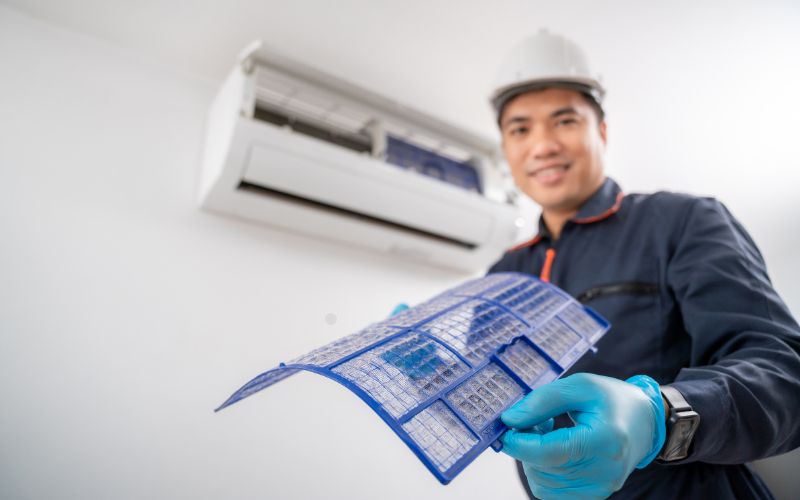
Air conditioners bring much-needed relief to hotter climates, but when dust and moisture build up, they can also become breeding grounds for mold. Mold growth in your HCAC system not only impacts the functionality of your unit, but it can also be a serious health threat and affect indoor air quality.
One of the most important choices homeowners have when they find mold in their AC system is whether to take care of the problem on their own or hire a professional mold cleanup service. Today’s blog will compare the two methods and assist you in making the decision based on the severity of the situation, your knowledge level, and the long-term results.
Why Mold Grows in AC Units

Mold needs three things to grow: moisture, heat, and organic matter. Air conditioning systems naturally produce condensation, and when combined with dust accumulation and restricted airflow, they provide a perfect environment for mold.
This can result in:
- Foul, mildewy smells
- Mold is visible on vents or near the drip pan
- Recirculation of mold spores throughout your home
- Aggravation of allergies or respiratory issues
Early action is the best way to avoid a minor problem becoming a bigger, more costly issue.
DIY Mold Removal: What You Can Do Yourself

Coronavirus Pandemic. A disinfector in a protective suit and mask sprays disinfectants in house or office. Protection agsinst COVID-19 disease. Prevention of spreding pneumonia virus with surfaces.
A DIY process can be economical and fast for homeowners who are at ease with simple maintenance and whose AC mold problem is small and isolated.
1. Tools and Materials You’ll Need
To begin the cleaning procedure, you’ll need:
- Protective gloves and mask (ideally N95)
- White vinegar or hydrogen peroxide (natural mold eliminators)
- Soft brush or cloth
- Spray bottle
- HEPA vacuum (optional but best for spores)
- Mild soap or detergent
- Screwdriver (for removing covers)
2. Power Off the Unit
Disconnect your air conditioner from the power source first to guarantee safety before cleaning is done.
3. Remove Filters and Covers
Remove the air filters and covers to access inner components such as coils and the drip pan.
4. Clean Filters Thoroughly
Clean the filters with warm and soapy water or replace them if they are too clogged or broken.
5. Use Cleaning Solution
Spray white vinegar or hydrogen peroxide onto moldy spots and allow the solution to sit for 10–15 minutes to destroy the spores.
6. Gently Scrub
Gently scrub mold using a soft brush, careful not to break fragile components such as the evaporator coils.
7. Dry Thoroughly
Wipe down all cleaned surfaces and allow everything to air dry completely before reassembling the AC unit.
8. Monitor and Repeat If Needed
Check for signs of mold regrowth in the coming weeks and re-clean if necessary.
When DIY Is the Right Approach For AC Mold Removal
If the mold is confined to visible, surface-level spaces such as the air filters or exterior casing, and you are comfortable with AC maintenance, a DIY approach may suffice. It can also be an effective preventive measure if performed regularly before the mold becomes serious.
Limitations of DIY AC Mold Removal
But DIY cleaning has its limitations. It may not penetrate the unit’s deeper areas or into ducts, where mold remains. Mold will resurface easily without a solution to the problem, such as humidity levels or drainage problems.
When Professional Assistance Is the Ideal Option for AC Mold Removal
Sometimes, the mold issue is too extensive or complicated for a homeowner to correct safely and efficiently. In these situations, professional remediation is not only beneficial—it’s necessary.
You should call a mold remediation expert if:
- The mold continues to come back after repeated cleaning
- You have persistent, musty odors coming from your AC
- Mold is developing in out-of-the-way spots, such as ducts or behind the panels
- You or your household members suffer from allergic responses or breathing issues
- You suspect black mold or poisonous strains, which need expert removal
What Professional AC Mold Removal Services Entail
Professional mold remediation professionals do much more than an amateur solution can. Their method is organized and thorough, aiming to eradicate mold and prevent future infestations.
1. Detailed Inspection
Technicians check your HVAC system, including the coils, drip pans, ducts, and vents. Employing moisture meters, infrared scanners, and air quality sensors, they determine the size of the contamination and detect concealed mold colonies.
2. Containment and Safety Precautions
To prevent spores from spreading while cleaning, technicians cover the contaminated area with plastic sheeting and maintain negative air pressure. They do not wear protective garments and employ commercial-grade filtration equipment to maintain safety.
3. Deep Cleaning and Mold Elimination
In contrast to DIY, which usually attends to surface areas, professionals clean the complete HVAC system, including:
- Within air ducts
- Behind panels and casing
- Blower motor and coils
- Condensation lines and pans
They utilize specialized HEPA vacuums, antimicrobial agents, and industrial-grade foggers to eradicate spores and sanitize surfaces.
4. Root Cause Remediation
Professionals don’t only eliminate mold—they repair what caused it. Whether it’s a blocked condensation line, a drainage issue, or indoor humidity, they offer solutions to keep mold from returning.
5. Post-Treatment Testing
Following cleanup, numerous services offer air quality testing and follow-up inspections to ensure mold levels are safe and haven’t returned.
6. Long-Term Prevention Tips
Whether you choose DIY cleaning or professional remediation, preventing mold in the first place is the most cost-effective and health-conscious strategy. Here’s how you can protect your air conditioning system going forward:
Regular AC Maintenance Tips
Schedule routine AC maintenance at least once a year. This includes cleaning coils, checking refrigerant levels, and ensuring the drain pan and line are clear.
1. Filter Replacement
Replace or clean air filters every 30–60 days, depending on use and environmental conditions. Clogged filters hold moisture and provide the ideal conditions for mold.
2. Improve Ventilation
Proper airflow discourages mold growth. To reduce humidity, keep vents clear and install exhaust fans in kitchens, bathrooms, and laundry rooms.
3. Install a Smart HVAC Controller
New smart thermostats and HVAC controllers with built-in humidity sensors can help maintain the best indoor conditions and notify you of changes that support mold growth.
4. Consider the Installation of UV Light
UV germicidal lamps installed within the AC system can constantly kill mold spores and bacteria, preventing microbial growth.
Conclusion: Making the Right Choice
The choice between mold removal yourself or hiring a professional depends on the severity of the mold problem, how comfortable you feel handling it, and how much you value long-term protection.
DIY removal is fine for light, visible mold that’s caught early and can be cleaned easily.
Professional remediation is necessary for deeper infestations, recurring problems, or health-related concerns.
Given how fast mold grows and the health risks involved, caution is usually the best course of action. A professional will properly clean out the mold and prepare your system to be protected from further growth.
Frequently Asked Questions
Can I use bleach to clean mold in my AC?
Bleach is not the best choice for cleaning AC parts, especially porous materials. It can kill surface mold, but will not prevent it from returning, and can harm HVAC components.
How frequently should I clean my air conditioner to avoid mold?
You should replace or clean your AC filters every 1–2 months and have professional maintenance done at least once a year.
Is mold in the air conditioner harmful?
Yes. Mold spores can become airborne in your house, leading to allergies, asthma attacks, and other breathing ailments, particularly among children and seniors.